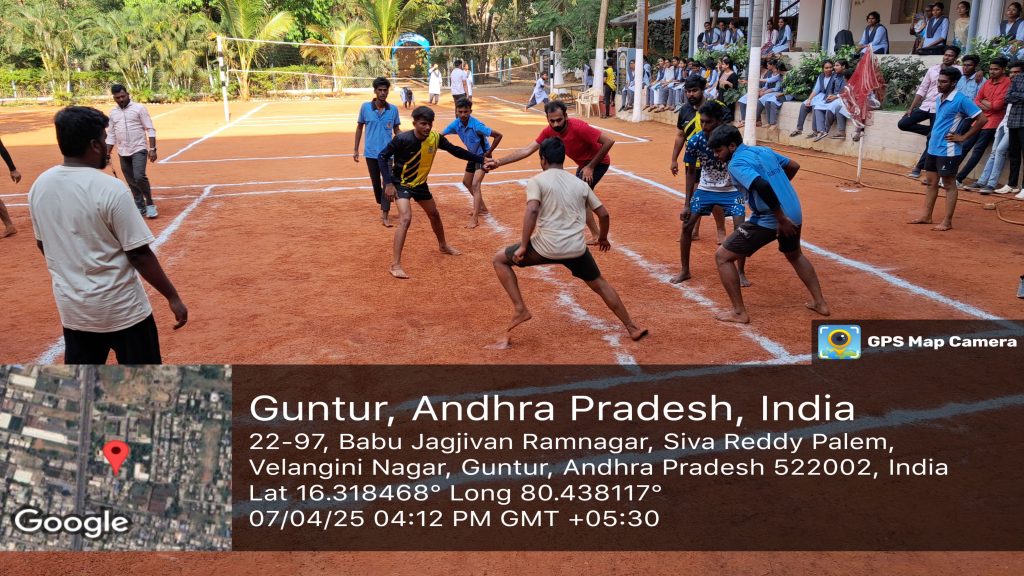
College sports facilities typically include a combination of indoor and outdoor spaces designed for various athletic activities and competitions. These can range from basic gymnasiums and playing fields to more specialized areas like swimming pools, tennis courts, and indoor stadiums.
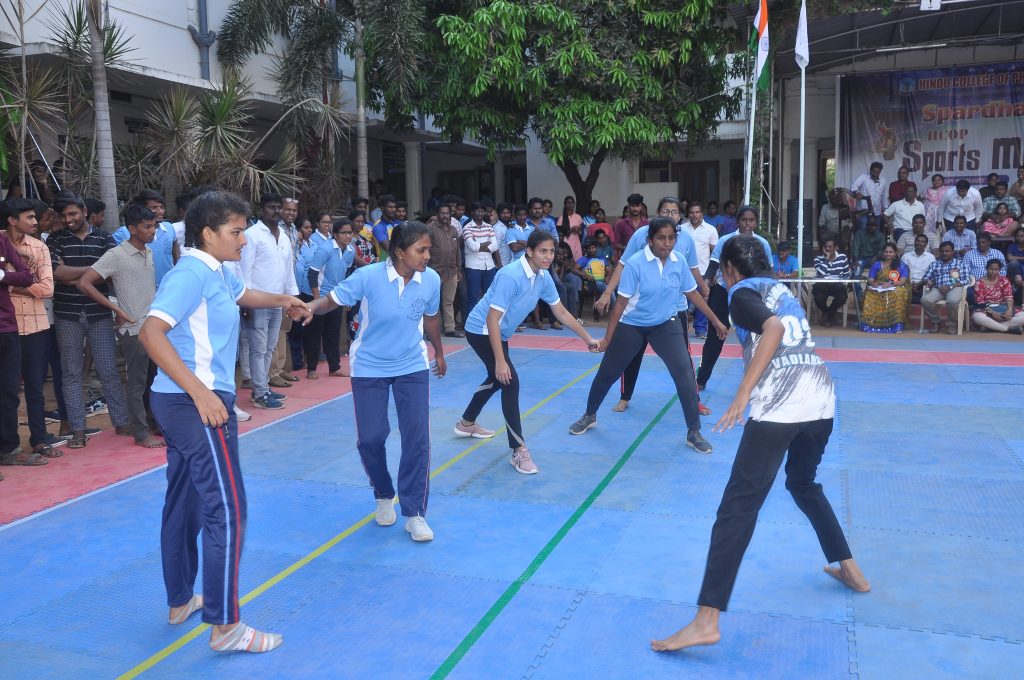
Outdoor Facilities:
- Playing fields: These are large, open areas for sports like football, soccer, cricket, and track and field.
- Courts: Designated areas for sports like basketball, volleyball, tennis, and badminton.
- Running tracks: Especially important for athletics and track and field events.
- Gymnasiums: Multi-purpose spaces for various indoor sports and activities, often including basketball courts, badminton courts, and weight training areas.
- Specialized courts: Squash courts, table tennis areas, and other specialized facilities.
- Fitness centers: Equipped with cardio and strength training equipment for student and staff use.
Beyond the facilities themselves, colleges also often provide:
- Physical education instructors and coaches: To guide students in their chosen sports.
- Organized sports programs: Including intramural leagues, tournaments, and recreational activities.
- Access to sports equipment and supplies:
Benefits of Sports Facilities:
- Improved physical and mental health: Encouraging regular physical activity and exercise.
- Social development: Providing opportunities for teamwork, communication, and social interaction.
- Skill development: Helping students develop skills applicable to sports and other areas of life, such as leadership, discipline, and time management.
- Sense of community: Fostering a sense of belonging and school spirit.